

Ceiling Leak Repair Dubai
Are you tired of dealing with a constant dripping sound or unsightly water stains on your ceiling? Don’t let a ceiling leak ruin the appearance and safety of your home. At Dubai Repairs, we understand the frustration that comes with a ceiling leak, and we are here to provide the best solution with our Ceiling Leak Repair Dubai service. Our team of experienced professionals is equipped with the necessary tools and skills to handle any type of ceiling leak, no matter the severity. Keep reading to learn more about our services and how we can help restore your ceiling to its original condition.
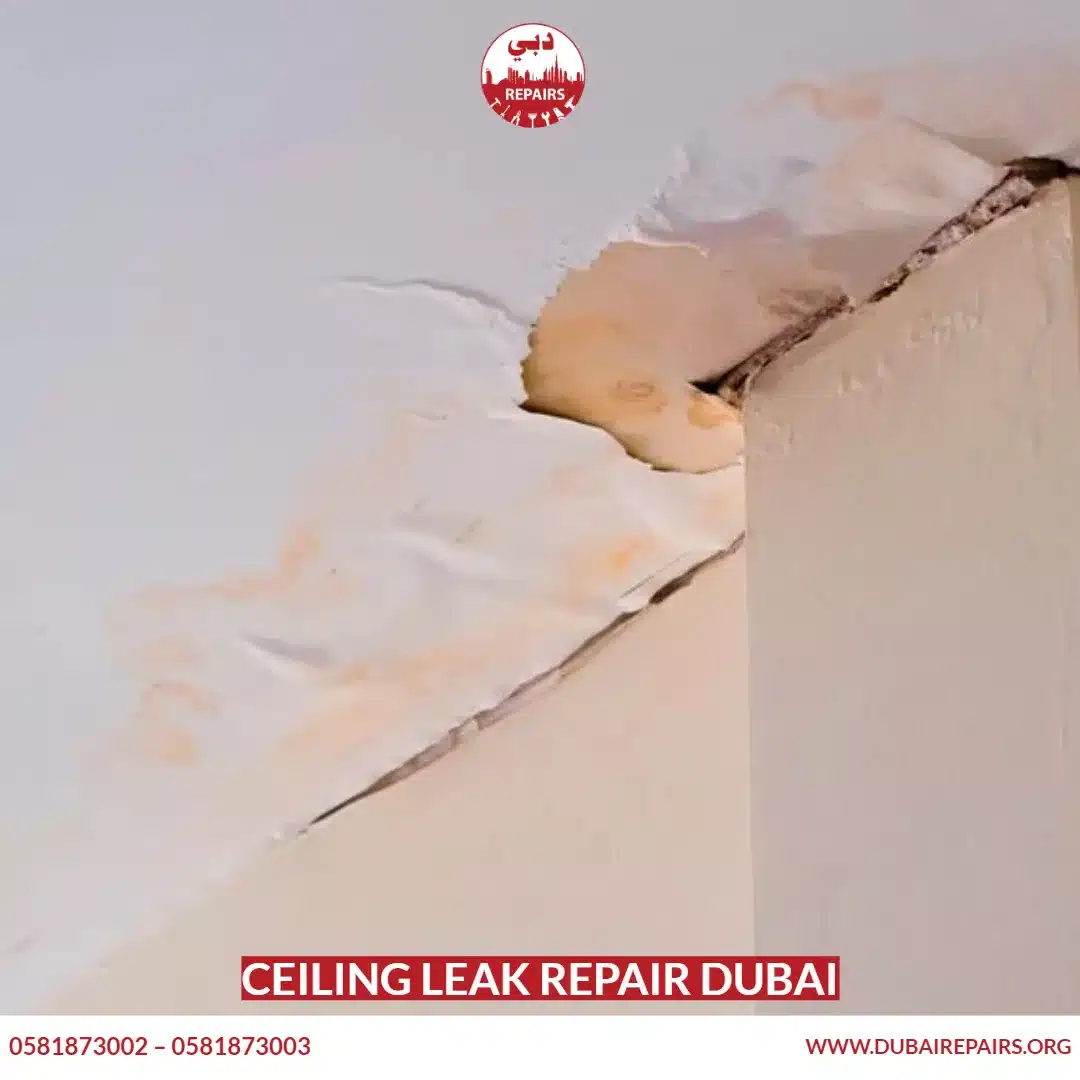
Understanding the Dangers of Ceiling Leaks
Ceiling leaks may seem like a minor inconvenience, but they can actually pose significant dangers to your home and family. The constant presence of water can weaken the structural integrity of your ceiling, leading to potential collapses or mold growth. Additionally, water damage can spread to other areas of your home, causing further destruction and costly repairs. Furthermore, if left unaddressed, ceiling leaks can result in electrical hazards and fires. It’s important to understand the seriousness of ceiling leaks and take immediate action to prevent further damage. At Dubai Repairs, we prioritize your safety and are committed to resolving ceiling leaks efficiently and effectively.
Why Choose Dubai Repairs for Ceiling Leak Repair in Dubai?
When it comes to ceiling leak repair in Dubai, there is no better choice than Dubai Repairs. Our years of experience in the industry have made us experts in handling all types of ceiling leaks, from minor drips to major water damage. We understand the urgency and stress that comes with a leaking ceiling, and we are committed to providing efficient and effective solutions. Our team of professionals is highly skilled and equipped with the latest tools and techniques to get the job done right the first time. We take pride in our exceptional customer service and always prioritize your satisfaction. Choose Dubai Repairs for your ceiling leak repair needs in Dubai and experience the difference.
Our Comprehensive Ceiling Leak Repair
Dubai Repairs has designed a comprehensive ceiling leak repair process to ensure efficient and effective solutions for any type of ceiling leak. When you choose our services, our experienced professionals will conduct a thorough inspection of your ceiling to identify the source of the leak. We’ll create a personalized repair plan that suits your unique requirements. Our team has the latest tools and techniques to address the leak and prevent further damage. We take pride in our attention to detail and strive to restore your ceiling to its original condition as quickly as possible. Trust Dubai Repairs for all your ceiling leak repair needs in Dubai.
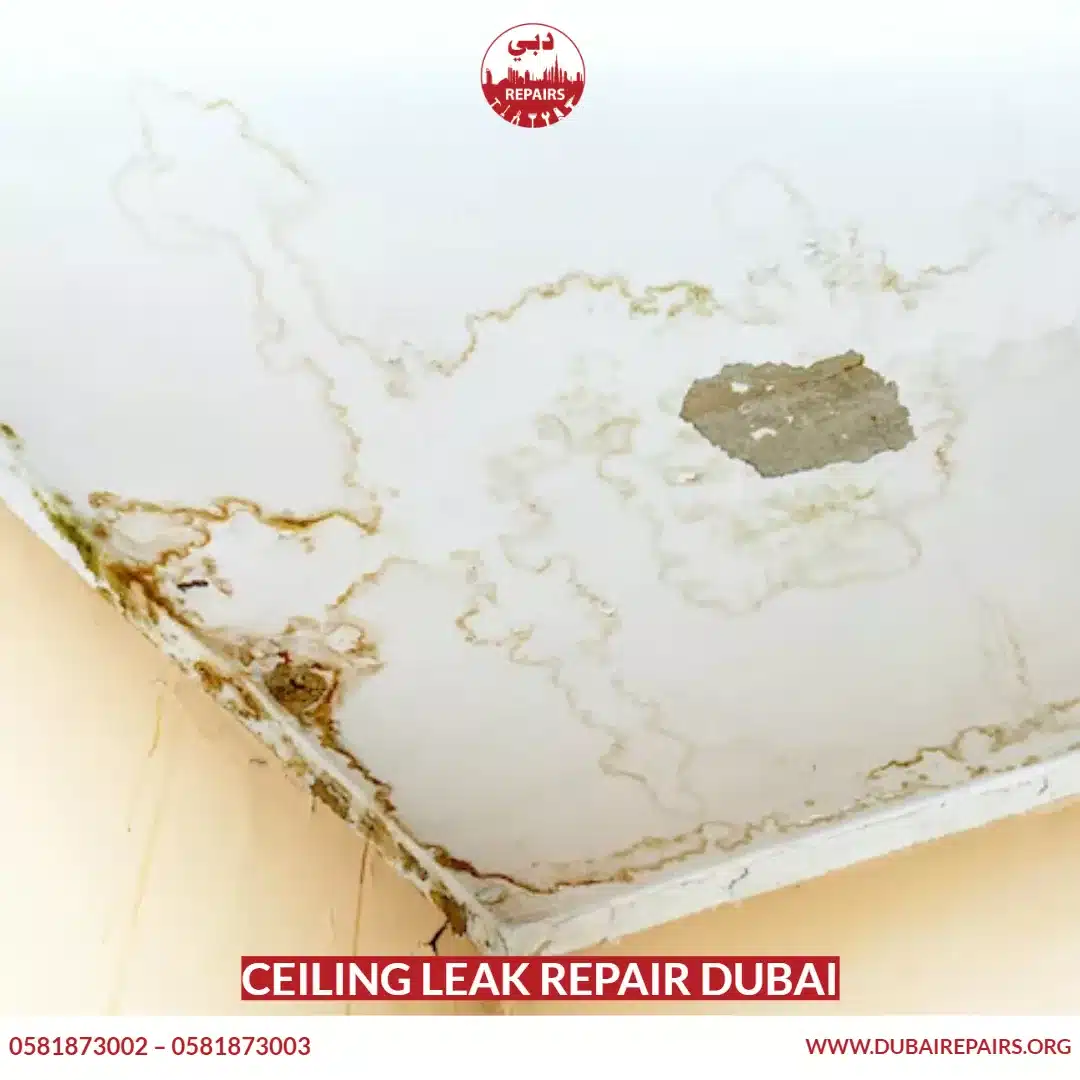
Other Services Provided by Dubai Repairs
In addition to our Ceiling Leak Repair Dubai service, Dubai Repairs offers a range of other services to meet your home maintenance needs. Our team of skilled professionals can assist you with various tasks, such as plumbing repairs, electrical installations, painting, and carpentry work. Whether you need a new faucet installed, a room painted, or a cabinet repaired, we have you covered. We pride ourselves on providing high-quality service and ensuring customer satisfaction in every job we undertake. Trust Dubai Repairs to handle all of your home repair and maintenance needs, so you can enjoy a safe and beautiful living space.
Contact Us for Your Ceiling Leak Repair Needs in Dubai
If dealing with a pesky ceiling leak is exhausting you, it’s time to take action. Contact Dubai Repairs, the leading experts in Leak Repair in Dubai, and let us handle the problem for you. Our team of experienced professionals is ready to provide you with top-notch service and restore your ceiling to its original condition. Don’t let a leaky ceiling ruin the safety and appearance of your home any longer. Contact us today and let us take care of your leak repair needs in Dubai. We guarantee satisfaction and peace of mind, so you can enjoy a safe and beautiful living space. So, Trust the experts at Dubai Repairs and say goodbye to those pesky ceiling leaks for good!
Conclusion
In our bustling city of Dubai, a ceiling leak can quickly turn into a major headache. But fear not, because Dubai Repairs is here to save the day with our expert Ceiling Leak Repair Dubai service. We understand the frustrations and dangers that a leaky ceiling brings, and we commit to delivering efficient and effective solutions to restore your ceiling to its original condition.

By choosing Dubai Repairs for your ceiling leak repair needs in Dubai, you can trust that you are in good hands. Moreover, our experienced professionals have the necessary skills and tools to handle any type of ceiling leak! No matter the severity. We pride ourselves on our exceptional customer service and strive to ensure your satisfaction in every job we undertake. Not only do we specialize in ceiling leak repairs, but we also offer a range of other services to meet your home maintenance needs. Whether you need plumbing repairs, electrical installations, painting, or carpentry work, our team of skilled professionals has you covered.
